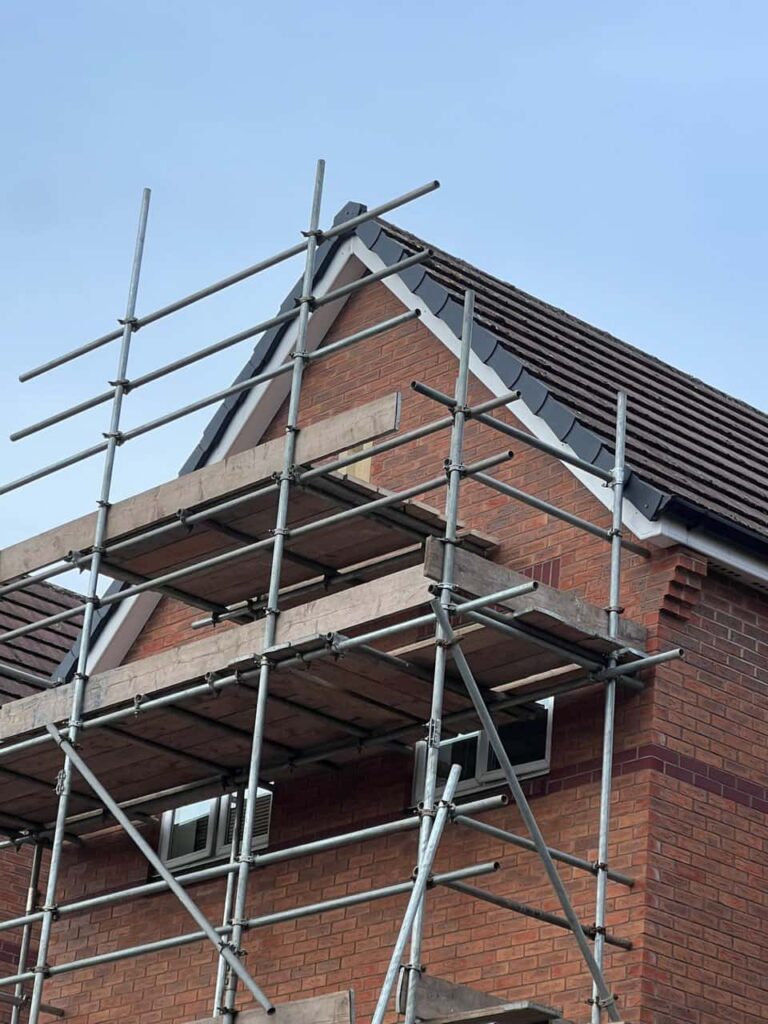
Heavy rainfall can expose weaknesses in a roof that may not be noticeable during dry weather. Water entering through damaged tiles, worn flashing or blocked gutters can cause damp patches, staining and damage to ceilings and internal walls. Even a small leak should be investigated, as repeated water ingress can gradually affect the roof structure and the condition of your property.
For homeowners in Tisbury, Wiltshire, understanding why roof leaks occur after heavy rain can help prevent recurring problems. Identifying the source of the water is essential, as simply repairing the visible damage inside the property will not resolve the underlying roofing issue.
Common Causes of Roof Leaks After Heavy Rain
Damaged or Slipped Roof Tiles
Roof tiles provide an important protective barrier against rainwater. Strong winds, ageing materials and general weather exposure can cause tiles to crack, break or move out of position.
When a tile is damaged or missing, rainwater can reach the layers beneath the roof covering. During prolonged or heavy rainfall, water may then find its way into the roof space and eventually appear on ceilings or walls.
Replacing damaged tiles and checking the surrounding area can help restore the roof’s protection. It is also important to establish why the tiles moved or deteriorated to reduce the risk of similar problems returning.
Worn or Damaged Roof Flashing
Flashing is fitted around vulnerable roof junctions, including chimneys, roof valleys and areas where the roof meets a wall. Its purpose is to direct rainwater away from these joints and prevent it from entering the building.
Over time, flashing can become loose, cracked or deteriorated. If the seals or surrounding materials fail, water may penetrate during heavy rainfall, even when the main roof covering appears to be in good condition.
Professional repairs may involve securing or replacing damaged flashing and checking the surrounding roof materials to ensure the junction is properly protected.
Blocked or Damaged Gutters
Gutters collect rainwater from the roof and direct it towards the drainage system. When they become blocked with leaves, moss and other debris, water can overflow or collect in areas where it should not.
Persistent overflow may allow moisture to reach external walls, roof edges and timber components. Heavy rainfall can make existing gutter problems more noticeable because the drainage system has to handle a greater volume of water.
Keeping gutters clear and checking for loose joints, cracks and poor alignment helps maintain effective drainage and reduces the likelihood of water-related damage.
Problems with Roof Valleys
Roof valleys carry rainwater away from the meeting points of two roof slopes. Because they collect water from relatively large areas, they need to remain clear and in good condition.
Debris, damaged valley materials or deteriorated joints can prevent water from flowing away correctly. During heavy rain, this may cause water to back up and enter the roof structure.
A professional inspection can identify damage or obstructions and determine whether cleaning, repair or replacement is required.
Damaged Flat Roofing
Flat roofs can be particularly vulnerable when water is unable to drain away effectively. Cracks, splits, worn coverings and deteriorated seams may allow rainwater to penetrate the roof.
Standing water can place additional strain on an already weakened surface. If leaks repeatedly appear in the same area, the condition of the roof covering and its drainage arrangements should be assessed.
Depending on the extent of the damage, suitable repairs may involve sealing local defects or replacing sections of the roofing material.
Signs Your Roof May Be Leaking
A roof leak does not always appear directly beneath the point where water enters. Rainwater can travel along roof timbers and other internal surfaces before becoming visible.
Common warning signs include:
- Brown or yellow stains on ceilings and walls.
- Peeling paint or bubbling plaster.
- Damp patches that become more noticeable after rainfall.
- A musty smell in loft spaces or upstairs rooms.
- Dripping water or visible moisture around roof timbers.
- Damaged or deteriorating insulation in the roof space.
If you notice these signs, arrange an inspection rather than assuming the problem will disappear once the weather improves. Avoid climbing onto the roof yourself, particularly when surfaces are wet or slippery.
How to Prevent Roof Leaks from Returning
Preventing recurring leaks involves addressing the original cause rather than repeatedly treating the visible symptoms.
Arrange periodic roof inspections to identify cracked tiles, loose flashing and deteriorating roof coverings before they allow significant water ingress. Keeping gutters and roof valleys clear also helps rainwater flow away efficiently.
After periods of severe weather, look for signs of displaced tiles, damaged gutters or new damp patches inside the property. If a leak has already occurred, make sure the affected roof area is properly assessed and repaired.
It is also important to consider the condition of the surrounding roofing materials. A local repair may resolve one defect, but nearby components could also be worn or damaged and may need attention to prevent another leak developing.
Professional Roof Leak Repairs in Tisbury, Wiltshire
At MCM Roofing Repairs Tisbury, we understand how disruptive recurring roof leaks can be. Finding the actual source of water ingress is essential to choosing an effective repair and protecting the property from further moisture damage.
Our roofing services can help address common problems such as damaged tiles, deteriorating flashing, roof leaks and other defects affecting the condition of your roof. Each issue needs to be assessed according to the type of roof, the materials involved and the extent of the damage.
If your property in Tisbury, Wiltshire, has developed a leak following heavy rainfall, contact MCM Roofing Repairs Tisbury to discuss the problem and arrange professional roofing advice.
Conclusion
Roof leaks after heavy rain can result from damaged tiles, worn flashing, blocked gutters, defective roof valleys or problems with flat roofing materials. Although the first signs may appear minor, recurring water ingress can lead to more extensive damage if the underlying cause is not addressed.
Regular inspections, effective drainage and timely professional repairs all help maintain a roof’s ability to withstand wet weather. If you are experiencing repeated leaks, MCM Roofing Repairs Tisbury can help identify the issue and recommend suitable repairs for your property in Tisbury, Wiltshire.
Call us on: 01747 440 678
Click here to find out more about MCM Roofing Repairs Tisbury
Click here to complete our contact form and see how we can help with your roofing needs.