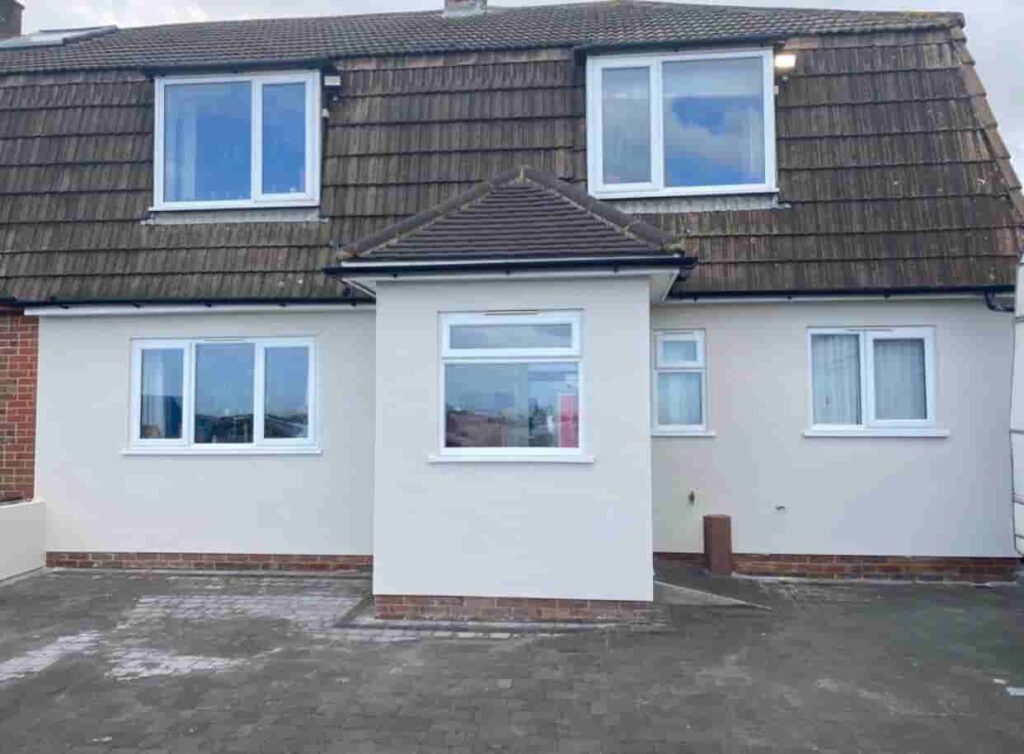
A roof leak can start with a relatively small defect, but even a minor opening can allow water to enter the roof structure. Over time, continued water ingress can contribute to dampness, damaged insulation, deteriorating timber and internal staining.
For homeowners in Tisbury, Wiltshire, understanding the common causes of roof leaks can make it easier to recognise potential problems and arrange suitable repairs before the damage develops further.
What Causes Roof Leaks?
Roof leaks can develop for several reasons. Some are related to individual damaged components, while others result from general deterioration or problems around vulnerable roof junctions.
Common causes include:
- Broken or slipped roof tiles
- Cracked or deteriorated slates
- Damaged flashing
- Defective roof valleys
- Blocked or damaged gutters
- Deteriorating roof coverings
- Damaged chimney junctions
- Poorly sealed roof penetrations
Identifying the actual source of a leak is important because the point where water becomes visible inside the property may not be where it entered the roof.
Damaged or Slipped Roof Tiles
Tiles can become cracked, broken or displaced through age, weather exposure or impact. A missing or damaged tile can leave the underlying roof structure exposed to rainwater.
Even when a leak is not immediately visible, an opening in the roof covering can allow moisture to enter during rainfall.
A professional inspection can establish whether the problem is limited to one tile or whether surrounding tiles and fixings also require attention.
Deteriorating Roof Slates
Slate roofs can also develop leaks when individual slates become cracked, broken or displaced. The fixings holding slates in position can deteriorate over time, allowing sections to move.
Replacing damaged slates and securing affected areas can help restore the weatherproofing of the roof. It is important to investigate surrounding areas as well, particularly where several slates show signs of deterioration.
Problems With Roof Flashing
Flashing is used around areas such as chimneys, roof junctions and other transitions where water needs to be directed away from vulnerable points.
Lead or other flashing materials can become cracked, lifted or separated from adjacent surfaces. Small gaps may then allow rainwater to enter beneath the roof covering.
Because water can travel along roofing materials and timber, flashing defects can sometimes cause damp patches that appear away from the original point of entry.
Blocked or Damaged Gutters
Gutters play an important role in directing rainwater away from the roof and walls. When gutters become blocked with leaves, moss or debris, water may overflow instead of draining correctly.
Damaged, loose or poorly aligned guttering can create similar problems. Water may run against areas of the building that are not designed to handle continuous rainfall.
Keeping gutters clear and checking for visible defects can therefore form an important part of roof maintenance.
Leaks Around Chimneys and Roof Junctions
Chimneys create a complex junction between masonry and the roof covering. Deteriorated mortar, damaged flashing or defects around the chimney can provide routes for water to enter.
Roof valleys and other junctions can also become vulnerable as materials age or debris prevents water from flowing correctly.
These areas should be assessed carefully when investigating a leak rather than assuming that the visible damp patch identifies the source.
Signs That Your Roof May Be Leaking
A roof leak does not always begin with obvious dripping water. Signs can include:
- Brown or damp patches on ceilings
- Dampness around chimney areas
- Water marks on walls
- Damp insulation in the loft
- Mould or persistent musty smells
- Visible daylight through the roof covering
- Damaged or displaced tiles or slates
If these signs appear, identifying the cause promptly can help prevent further deterioration.
Why Prompt Roof Leak Repairs Matter
Leaving a leaking roof unattended allows moisture to enter repeatedly whenever it rains. Continued dampness can affect timber, insulation and other parts of the roof structure.
Water can also travel before becoming visible, meaning a small internal stain may indicate a problem elsewhere in the roof.
Prompt professional assessment helps establish the source of the leak and determine which repairs are actually required. Addressing the underlying defect rather than simply dealing with the visible symptom is essential for a lasting repair.
Professional Roof Leak Repairs in Tisbury
MCM Roofing Repairs Tisbury provides professional roof leak repair services in Tisbury, Wiltshire. Roofs can be inspected for damaged tiles and slates, defective flashing, guttering problems, chimney-related issues and other potential sources of water ingress.
The repair approach can then be tailored to the condition of the roof, focusing on the areas that require attention.
If you have noticed signs of a roof leak or suspect that your roof has been damaged, contact MCM Roofing Repairs Tisbury to discuss the problem and arrange an inspection.
Conclusion
Roof leaks can result from damaged tiles, deteriorated slates, defective flashing, blocked gutters, chimney problems and other faults around the roof. Although some defects may appear minor, continued water ingress can lead to more extensive deterioration.
For homeowners in Tisbury, Wiltshire, acting promptly when signs of a leak appear can help protect the roof and the areas beneath it. MCM Roofing Repairs Tisbury can assess the cause of the problem and carry out appropriate roof leak repairs to restore the roof’s weatherproofing.
Call us on: 01747 440 678
Click here to find out more about MCM Roofing Repairs Tisbury
Click here to complete our contact form and see how we can help with your roofing needs.