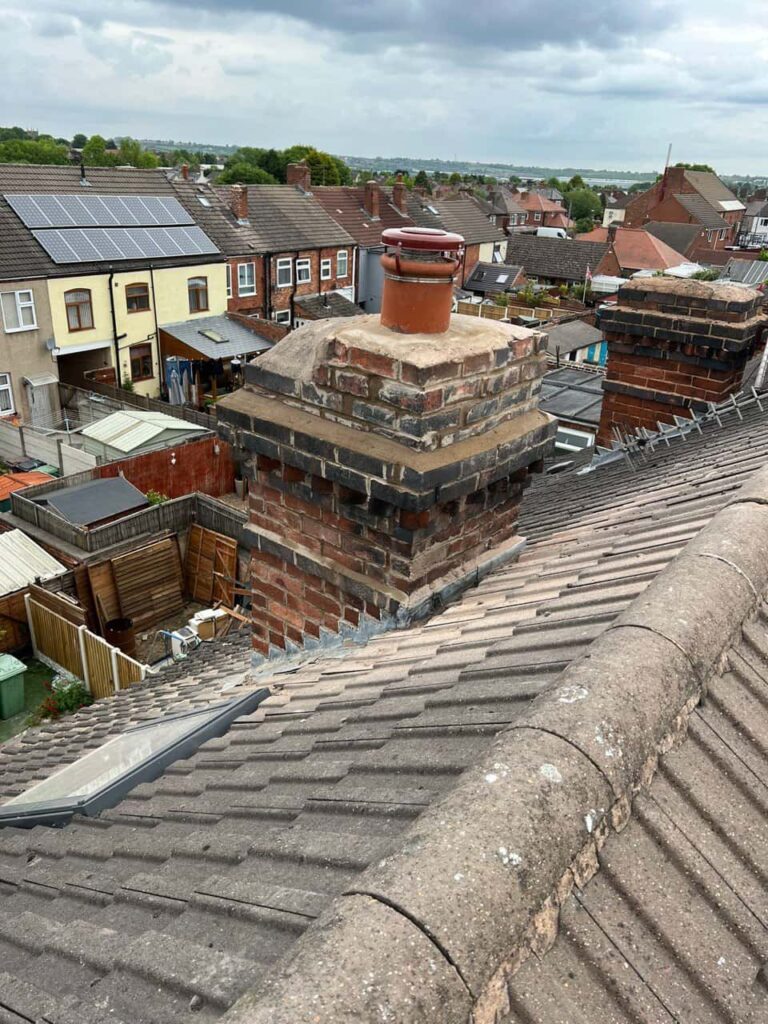
A tiled roof can continue performing reliably for many years, but individual components are constantly exposed to weather, temperature changes and natural ageing. Problems do not always begin with a dramatic leak or a large section of missing tiles. In many cases, the earliest warning signs are relatively subtle, such as a slightly displaced tile, deterioration around a roof junction or a damp patch that appears only during certain weather conditions.
For property owners in Tisbury, Wiltshire, recognising these signs early can make it easier to address localised defects before surrounding areas become affected. Professional roof attention does not automatically mean extensive work is required. A proper inspection is valuable because it establishes what has actually deteriorated and whether a targeted repair is sufficient.
Signs That a Tiled Roof Should Be Professionally Assessed
A tiled roof is a complete system rather than simply a collection of tiles. The roof covering works alongside ridges, valleys, flashing, underlay, battens, verges and other details to keep the property protected.
A problem affecting one component can therefore influence another part of the roof. Knowing when to arrange professional attention means looking beyond the most obvious symptoms.
Slipped Tiles Are a Clear Warning Sign
A tile that has moved from its correct position should not be ignored.
Even if it has only slipped slightly, the movement can expose an area that was previously protected. The surrounding tiles may still appear normal from ground level, making the defect seem less important than it actually is.
Slippage can occur for several reasons, including deterioration of fixings or supporting components.
Rather than simply pushing the tile back into position, the cause of the movement should be established so that an appropriate repair can be carried out.
Missing Tiles Leave the Roof More Exposed
A completely missing tile is one of the more obvious reasons to arrange professional roof attention.
The opening may expose underlying components directly to rainfall and wind. Depending on the location and surrounding condition, neighbouring tiles may also become more vulnerable.
The important point is that the visible gap is not necessarily the full extent of the problem.
A roofer can assess the exposed section, surrounding tiles and supporting materials to determine whether the issue is confined to the missing tile.
Cracked Tiles Can Be Difficult to Spot
Roof tiles do not always need to be missing or badly displaced to cause concern.
Cracks can develop while a tile remains largely in its original position. From ground level, these defects may be difficult to identify.
A damaged tile can gradually become less effective at shedding water, particularly if the crack widens or part of the tile eventually breaks away.
Where cracked tiles are suspected, professional inspection provides a safer and more reliable way to establish their condition.
Small Pieces of Tile Around the Property Can Indicate Damage
Sometimes the first indication of a roof problem is found at ground level.
Fragments of roofing material around the property may indicate that a tile has cracked or broken. The remaining section may still be on the roof, so the defect is not always immediately visible from below.
Finding fragments after poor weather is therefore worth taking seriously.
Identifying where they originated can help prevent a partially damaged tile from deteriorating further.
Water Staining Indoors Should Be Investigated
A damp patch on a ceiling or wall can be an important warning sign.
However, the position of an internal stain does not necessarily identify the exact point where water entered the roof.
Water can travel along structural components or other surfaces before becoming visible inside the property. This means replacing the tile directly above an internal mark may not resolve the problem if the actual entry point is elsewhere.
Professional investigation aims to trace the likely route of moisture rather than relying on the position of the stain alone.
Intermittent Leaks Still Matter
Some roof leaks appear only during particular weather conditions.
A property may remain dry during ordinary rainfall but show signs of moisture when rain is accompanied by stronger winds. This can make the problem appear inconsistent.
Intermittent leaking should not be dismissed simply because the symptoms disappear when the weather changes.
The conditions causing water to enter may recur, and repeated moisture exposure can affect materials beneath the tiled covering.
Repeated Leaks Need More Detailed Investigation
A leak that returns after previous repair work deserves closer attention.
Recurring problems can indicate that the original source was difficult to identify or that deterioration exists across more than one roof component.
For example, a visible tile defect may occur near ageing flashing, a valley or another vulnerable detail.
Repeatedly treating the most obvious symptom without considering the surrounding roof can allow the underlying cause to remain.
A broader professional assessment can help establish why the leak continues to return.
Uneven Roof Tiles Can Indicate Movement
A healthy tiled roof normally presents a reasonably consistent arrangement.
If a section begins to look noticeably uneven, raised or displaced compared with surrounding areas, it is worth investigating.
Movement can involve individual tiles, fixings or supporting components beneath them.
The extent of the problem cannot always be established visually from ground level, which is why professional inspection becomes valuable when the roofline or tile arrangement appears to have changed.
Ridge Tiles Need Attention Too
The main roof covering is not the only tiled area that requires monitoring.
Ridge tiles form an important part of the roof at its highest points. Movement or deterioration in these areas should be assessed rather than regarded as a purely cosmetic issue.
Changes around ridge sections may become more noticeable after periods of poor weather.
A professional inspection can establish whether individual components require attention or whether surrounding areas remain secure.
Roof Valleys Can Become Vulnerable Areas
Where sections of a roof meet and form a valley, rainfall is naturally channelled towards that area.
Because valleys manage concentrated water flow, defects around them can become particularly important.
Damaged tiles, accumulated debris or deterioration within the valley construction can interfere with effective water movement.
Signs of moisture near a valley should therefore be investigated as part of the complete roof rather than assuming an individual tile is solely responsible.
Flashing Problems Can Look Like Tile Problems
Not every leak on a tiled roof originates from the tiles themselves.
Flashing is used around particular roof junctions and transitions to help prevent water entering vulnerable areas. If it deteriorates, moves or becomes defective, moisture can enter even when nearby tiles appear intact.
This is another reason professional diagnosis matters.
Replacing sound tiles will not resolve a defect that actually originates within an adjoining roof detail.
Deterioration Around Chimneys Deserves Attention
Where a chimney passes through a tiled roof, several materials and junctions meet within a relatively small area.
Tiles, flashing and surrounding details all need to work together.
If staining or moisture develops around this section of the property, the precise cause should be identified before repair work begins.
Assuming that the nearest visible tile is responsible can result in the actual defect remaining untreated.
Moss Can Make Roof Inspection More Difficult
Moss is commonly noticed on tiled roofs because it can alter their appearance considerably.
Its presence does not automatically mean the roof has failed. However, substantial growth can make it more difficult to see the condition and alignment of individual tiles.
It can also accumulate around joints and other roof details.
Where there are concerns about the roof beneath significant growth, professional assessment can help establish whether actual defects are present rather than judging condition from appearance alone.
Debris Can Interfere With Roof Drainage
Leaves and other debris can collect in roof valleys, around certain junctions and within associated drainage areas.
Where water cannot move away as intended, vulnerable sections can experience greater exposure.
Keeping drainage routes functioning correctly is therefore part of sensible roof maintenance.
If debris accumulation occurs alongside dampness, displaced tiles or other visible deterioration, the complete area should be inspected to establish whether additional work is necessary.
A Sagging or Changed Roofline Requires Prompt Assessment
A visible change in the shape of the roof should be treated differently from an isolated damaged tile.
If part of the roof appears to sag, dip or change alignment, the issue may involve supporting components rather than the covering alone.
This requires professional assessment.
Adding or replacing tiles without understanding why the roofline has changed would not address the underlying problem.
Problems After Poor Weather Should Be Checked
Weather can expose weaknesses that were previously difficult to detect.
After particularly windy or wet conditions, homeowners may notice displaced tiles, fragments on the ground, new damp marks or changes in the appearance of the roof.
Even where the damage initially seems limited, checking the surrounding area can establish whether neighbouring components have also been affected.
This is especially useful when the roof previously appeared to be performing normally.
An Older Roof Does Not Automatically Need Replacing
Age is an important part of roof assessment, but it should not be considered in isolation.
An older tiled roof may still contain many serviceable components, while a newer roof can occasionally develop a localised defect.
The current condition matters more than age alone.
Professional assessment can distinguish between an isolated repairable issue and broader deterioration that may require a more comprehensive response.
Repeated Repairs Can Reveal a Pattern
A roof that has required several unrelated minor repairs over many years is not necessarily failing.
However, repairs that repeatedly occur within the same area or increasingly appear across multiple sections can provide useful evidence about the roof’s condition.
Looking at repair history alongside current defects can help determine whether problems remain isolated.
This is more informative than considering each new issue without reference to what has happened previously.
Do Not Wait Until Water Is Entering the Property
A roof does not need to be actively leaking before professional attention becomes worthwhile.
Visible slipped tiles, broken materials, deteriorating roof details or changes in alignment can justify inspection even when the interior remains dry.
This is because the external covering is intended to prevent water reaching vulnerable underlying materials in the first place.
Addressing an identifiable defect before an internal leak develops can help limit the extent of deterioration.
Avoid Assuming Every Visible Defect Has the Same Solution
Two roofs with similar-looking damaged tiles may require different repairs.
One might have a straightforward localised defect with sound surrounding materials. Another could have deterioration affecting fixings, battens or nearby roof details.
The visible symptom alone does not establish the complete repair requirement.
This is why professional roofing work begins with understanding the cause and extent of the problem rather than immediately assuming a particular solution.
Professional Inspection Helps Avoid Unnecessary Work
One of the main advantages of having a tiled roof professionally assessed is determining exactly what requires attention.
At MCM Roofing Repairs Tisbury, we assess tiled roofs in Tisbury, Wiltshire by considering the visible covering alongside surrounding roof details and signs of deterioration.
Where a defect is localised and the surrounding roof remains serviceable, targeted repair may be appropriate. Where several connected problems are identified, a wider approach can be considered based on the roof’s actual condition.
The objective is to resolve the cause of the problem without recommending unnecessary work.
Conclusion
A tiled roof should receive professional attention when there are signs such as slipped, missing or cracked tiles, recurring leaks, internal damp marks, deteriorating roof details, changes in alignment or repeated problems within the same area.
The most important point is that visible symptoms do not always reveal the full cause. Water can travel away from its entry point, and apparent tile problems can sometimes originate around valleys, flashing or other roof junctions.
If you have noticed changes to a tiled roof in Tisbury, Wiltshire, contact MCM Roofing Repairs Tisbury. We can assess the affected area, identify the likely cause and recommend an appropriate repair based on what the roof genuinely requires.
Call us on: 01747 440 678
Click here to find out more about MCM Roofing Repairs Tisbury
Click here to complete our contact form and see how we can help with your roofing needs.